




Quartzite or marble? It's one of the most common questions homeowners and designers ask us. Most comparisons online are written by people who sell quartzite.
At Mega Marble, we're quarry-direct marble specialists, and we'll be upfront about that. We'll also share the numbers most guides leave out.
Quartzite vs Marble at a Glance
Quartzite is harder and etches less than marble. Marble is easier to restore and often less porous than people think. Many classic marbles absorb less water than Taj Mahal, the most popular quartzite. Material prices overlap, but premium marble reaches the highest price points.
Choose marble for a classic look you can restore.
Choose quartzite if avoiding etching matters most.
What Is the Difference Between Quartzite and Marble?
Both are natural metamorphic stones, formed by heat and pressure over millions of years. The difference comes down to what each one started as.
Marble forms from limestone or dolostone. Its main mineral is calcite, dolomite, or a blend of both. That's why some marbles react to acids like lemon juice and vinegar.
Quartzite forms from quartz-rich sandstone. Quartz is a much harder mineral, rating about 7 on the Mohs scale. Marble typically rates around 3 to 4.
Geology.com has a helpful overview of how quartzite forms.Hardness gets most of the attention in this debate. But hardness alone doesn't make one stone a better countertop.
Quartzite vs Marble Cost: What You'll Really Pay
Here's a real answer, with one caveat. Natural stone pricing is a gray area. It changes with the quarry, the block, the grade, and the slab size.
These are material prices only. Fabrication and installation are separate costs. A few patterns stand out:
Why Quartzite Gets Promoted So Heavily
On average, quartzite costs less for sellers to buy. That often means stronger margins when it's resold. It's one reason quartzite has been pushed so hard for years. That doesn't make it a bad stone. It just means the marketing isn't neutral.
Is Quartzite Really Less Porous Than Marble?
This is the biggest myth in the whole comparison. Quartzite is marketed as stain resistant. Marble is marketed as porous and fragile. The lab numbers often tell a different story.
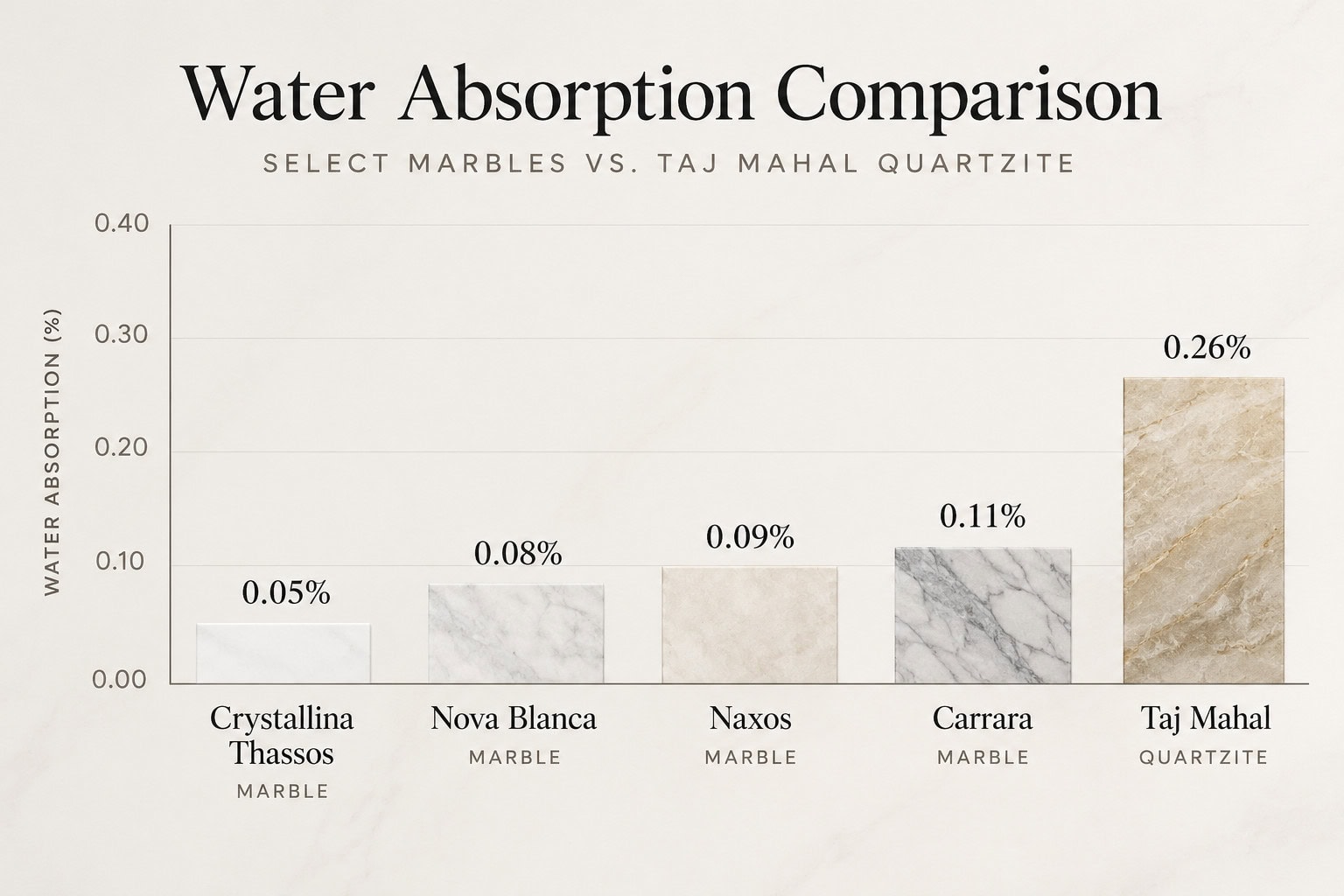
Water absorption measures how much liquid a stone takes in. It's tested under ASTM C97, the industry standard for dimension stone. Lower numbers mean a less absorbent stone.
Taj Mahal is the most popular quartzite on the market today. Yet each of these marbles absorbs less than half as much water.
Every quarry is different, so always check the data for the exact stone you're considering. Some quartzites are very dense. Others have higher open porosity than most marbles.
Etching vs Staining: What Actually Happens to Each Stone
Staining
Staining happens when a liquid soaks in and leaves color behind. Many marbles absorb very little, so staining is less of a risk than people expect. A quality sealer adds another layer of protection.
Etching
Etching is different. It's a chemical reaction, not a stain. Acids like citrus, wine, and vinegar react with calcium carbonate on the surface. The result is a dull spot that looks lightly honed.
How likely etching is depends on the stone's mineral family:
Over time, etching on marble blends into a soft, lived-in finish. Many people call this a patina.
For more on living with marble day to day, see our guide to marble countertops pros and cons.
Scratches and Chips
Quartzite resists scratches better, thanks to its hardness. Chipping, though, is a reality on any stone edge, whatever the material.
Repair and Restoration: Where Marble Clearly Wins
Marble is far easier to restore. A professional can hone and polish the surface at any point and take off years of built-up etching.
Quartzite is much harder to repair. The hardness it's known for also makes it difficult to refinish.
If you plan to keep your stone for decades, this difference matters.
Marble Sold as Quartzite: Why It Happens and How to Check
Mislabeling is common, and it often runs the opposite way people expect. Some marbles are denser and more durable than many quartzites. Since quartzite is easier to market today, some suppliers sell those marbles as quartzite.
We've seen our own Crystallina Thassos and Naxos sold as quartzite elsewhere. Both are dense, with a crystalline look that resembles quartz. Namibia White, also called Rhino White, is another common example. It's a true marble that's often sold as quartzite.
How to Verify What You're Buying
Testing a full slab yourself isn't practical, since slab samples are rarely available. Focus on these steps instead:
1. Trace the stone to its origin. Every natural stone comes from a specific country and quarry.
2. Research the name. Find out if the stone is often sold under other trade names.
3. Ask for lab test data. Absorption and density figures show how a stone will perform.
4. Buy from a source that knows the quarry. Quarry teams and international trade reps usually know stones best.
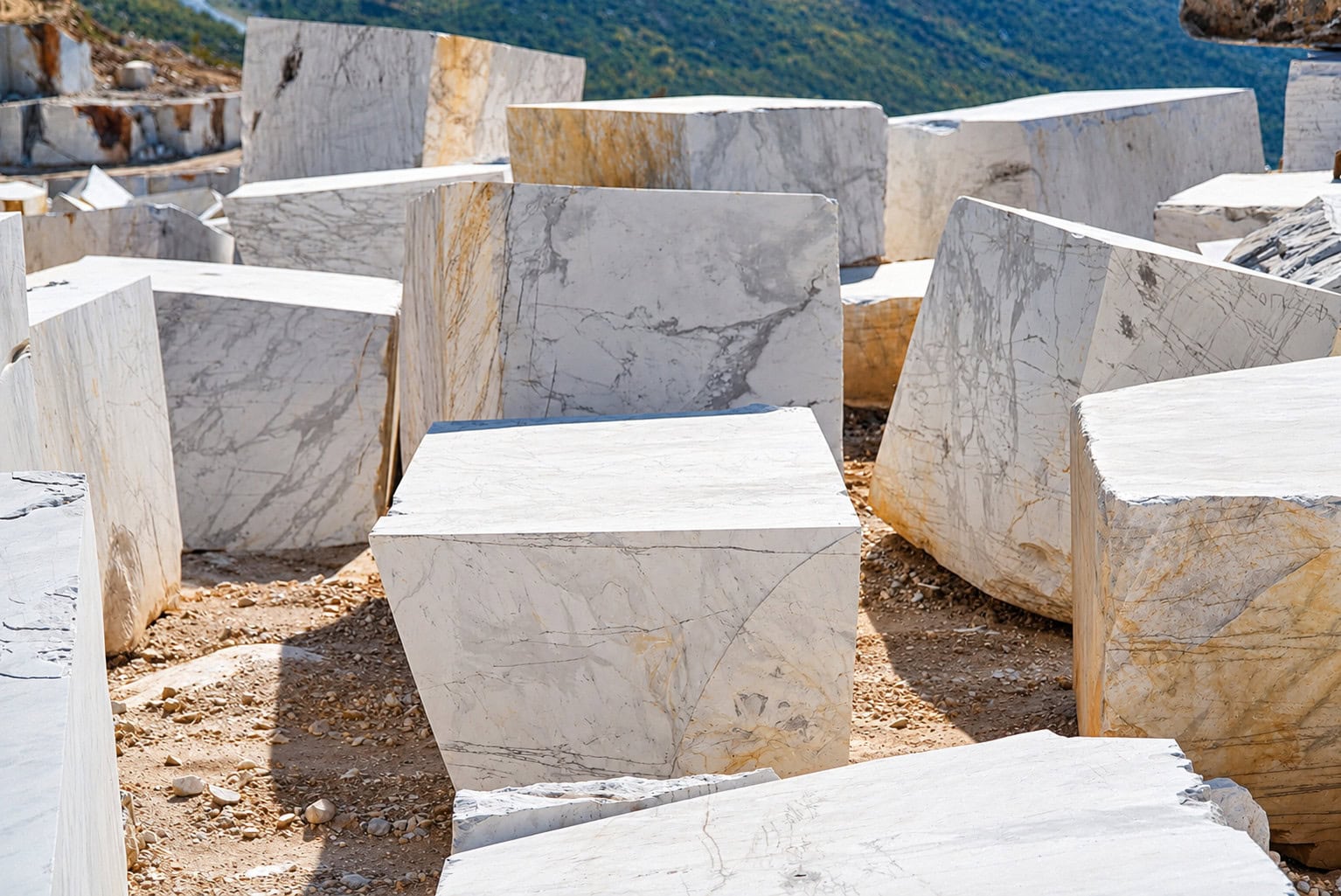
Plenty of people in the trade call themselves stone experts. Far fewer can tell you which quarry a slab came from. That's why we buy direct from quarries in Italy and Greece.
Quartzite vs Marble vs Granite (and Quartz)
Many shoppers compare all four materials at once. Here's a quick look at where granite and quartz fit.
Quartz and quartzite are often confused. Quartzite is a natural stone. Quartz countertops are manufactured from crushed quartz bound with resin.
When Marble Is the Right Choice
Marble isn’t the right call for every project. For some homes, though, nothing else comes close.
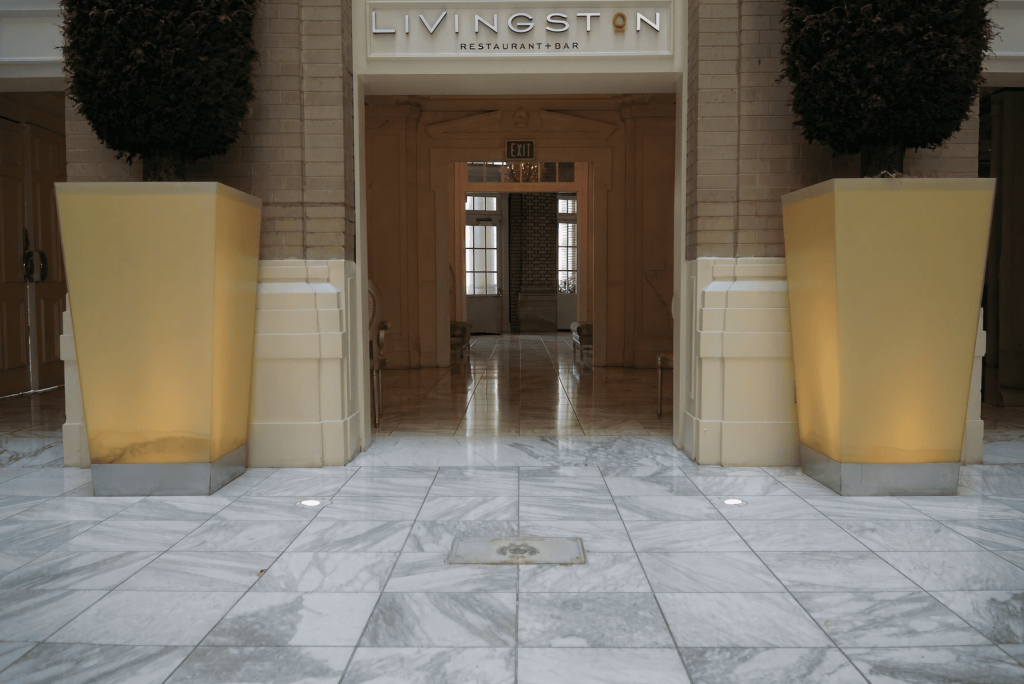
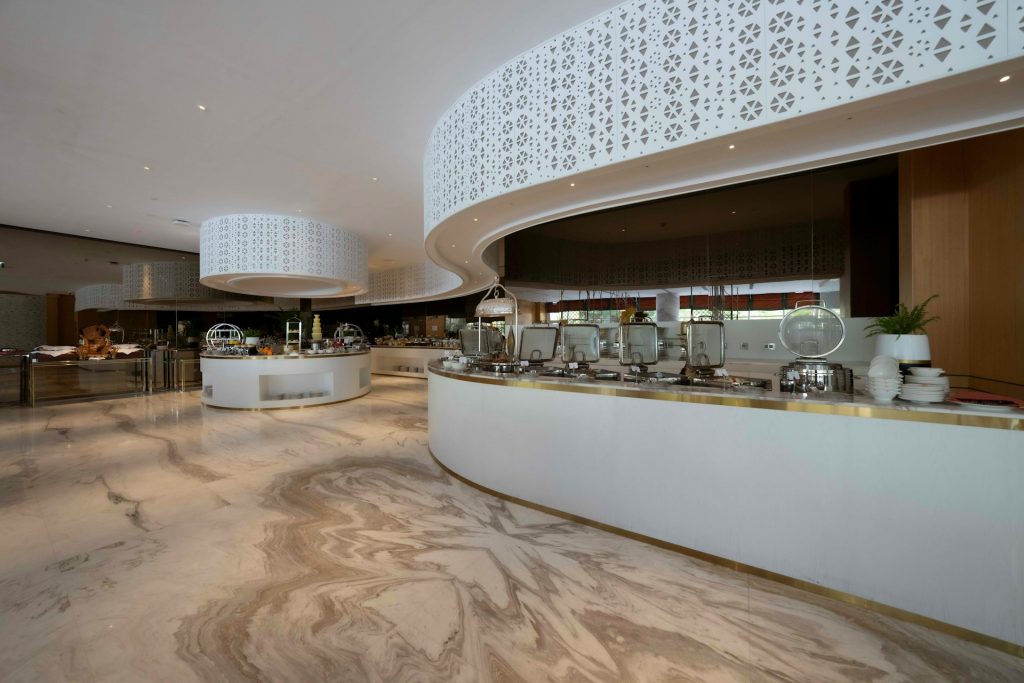
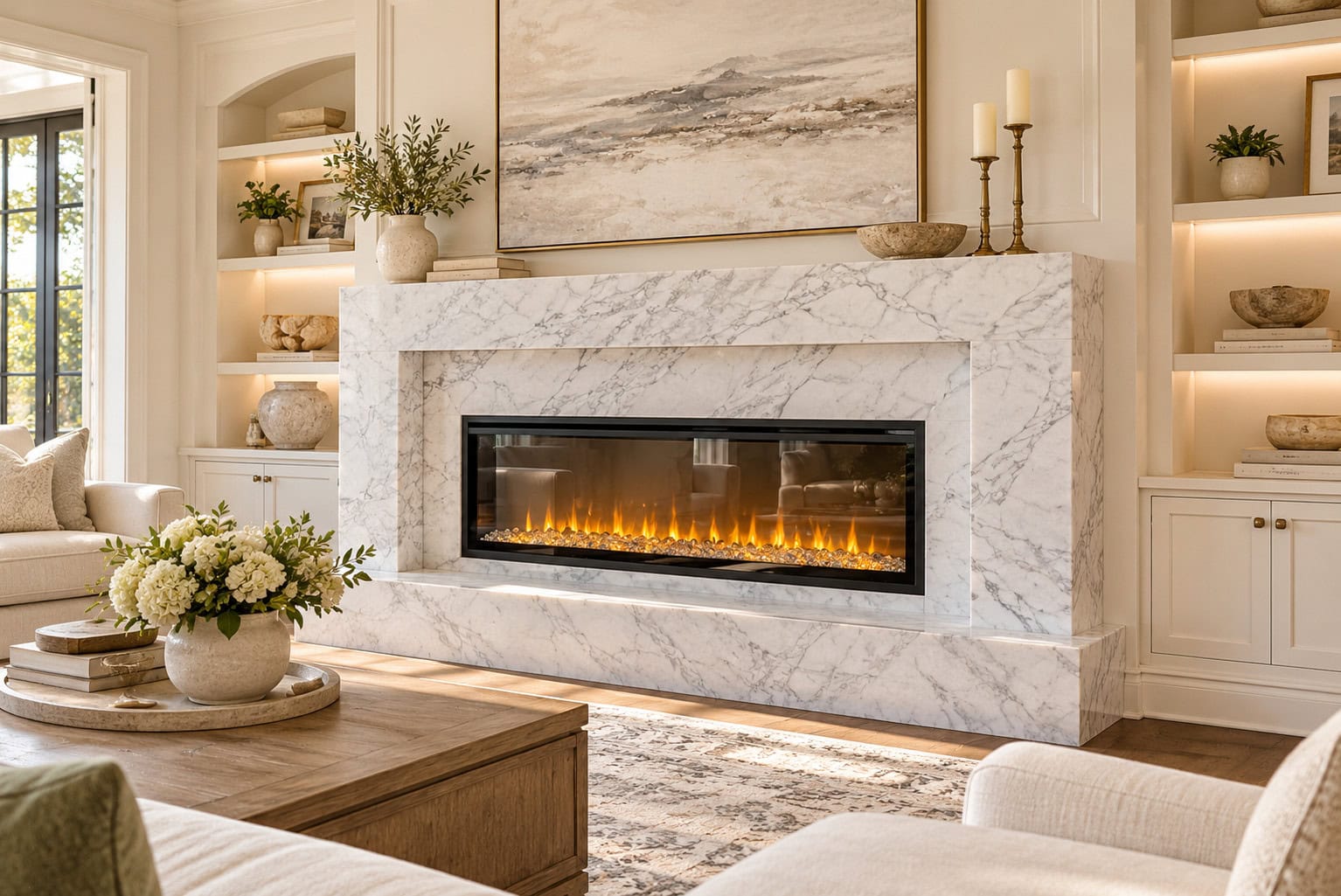
Marble has passed the design test of time. Trends like quartz and quartzite haven't had centuries to prove themselves. There's a reason the finest hotels, restaurants, and cafés in Europe still use marble.
Marble also changes how a space feels. Walk into a room with marble, and it immediately reads as more valuable. Top classical architects and designers still specify it for that reason.
Marble makes the most sense in a home built to last for generations. It shines in these spaces:
When Quartzite May Be the Better Fit
Quartzite can make sense if etching is a true deal breaker. Picture a polished finish in a busy kitchen, with zero tolerance for dull spots. In that case, quartzite may suit you better.
Just know the durability gap is smaller than most marketing claims. Results depend on the specific quartzite and the specific marble.
Still deciding? Our team can walk you through slabs, lab data, and real-world performance. Visit our Atlanta showroom or talk with a stone specialist.

