
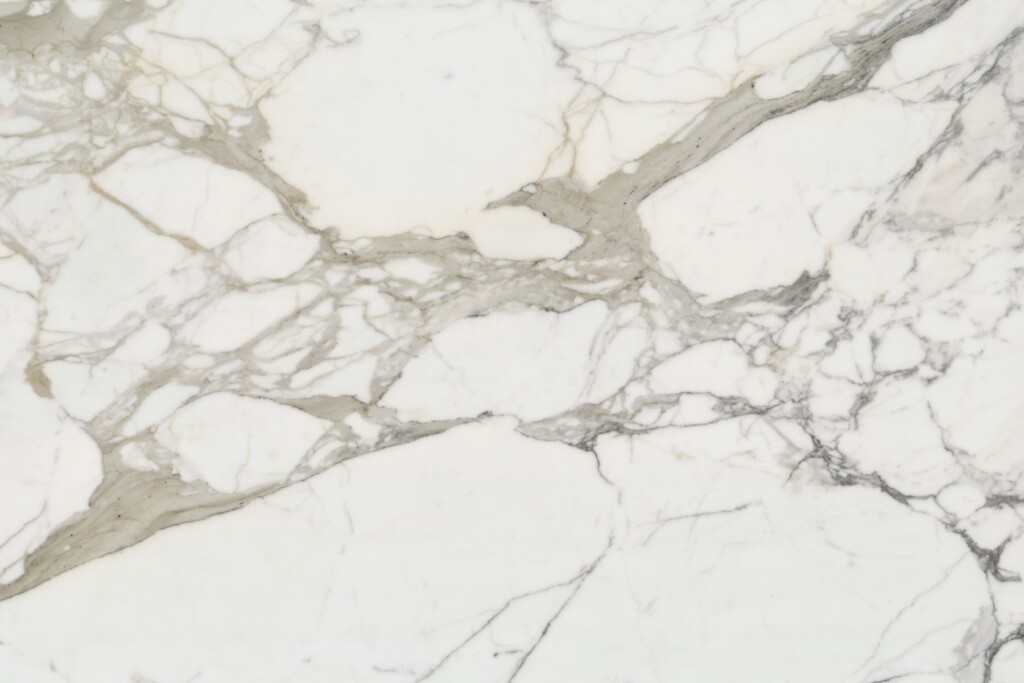

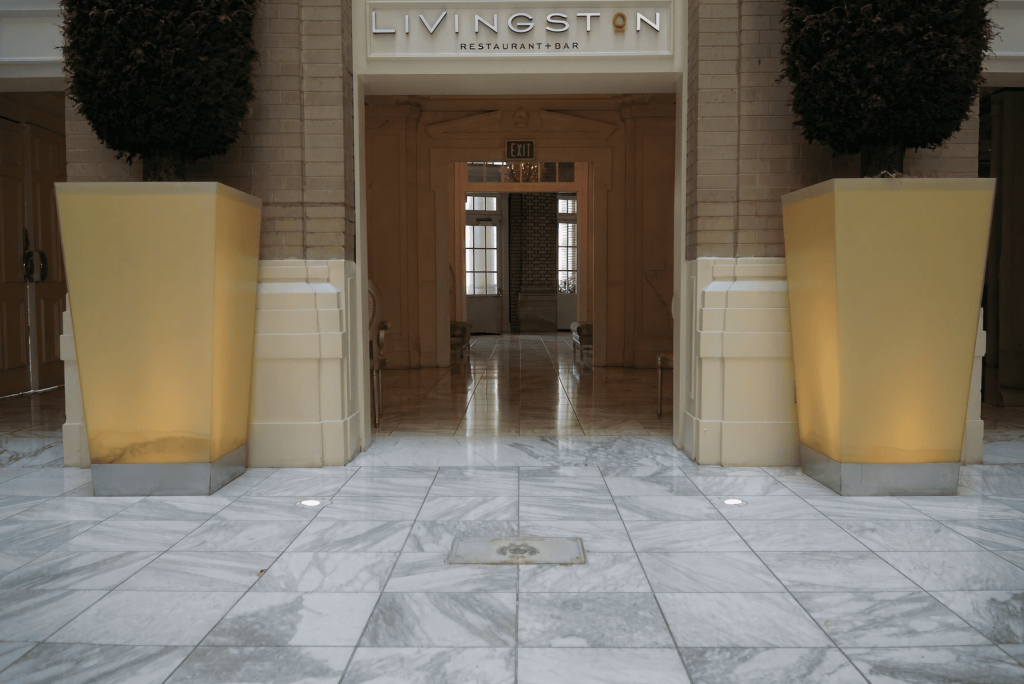

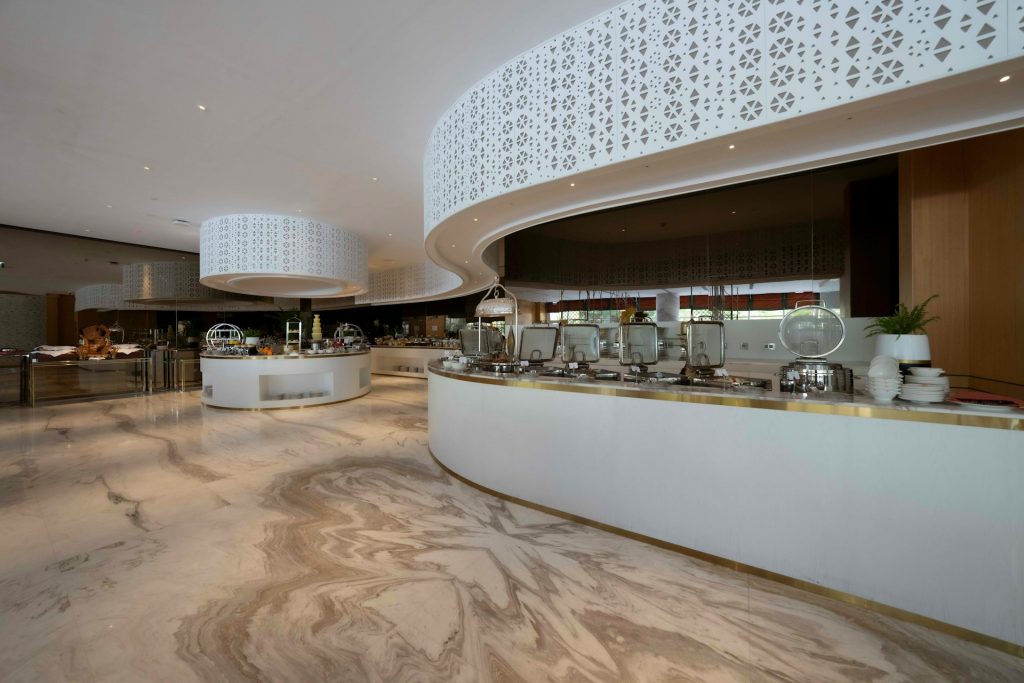


Two slabs can both be sold as Calacatta Gold and look nothing alike. One has a warm white field with gold veining that reads clearly from across the room. The other is gray, busy, and dull. Same name, same quarry region, same price tag at a lot of showrooms. The difference is the block they came from.
If you are specifying marble for a kitchen, a bath, a lobby, or a hotel, the name on the slab is the least useful piece of information you will get. What matters is which block it was cut from, who chose that block, and what they chose it against. It’s no different than when looking for the best fruits and vegetable, the richest wine, or the freshest sushi. The source is everything.
Depending on the quarry, a production run might yield one true top-selection block and anywhere from 20 to 100 that fall short. The ones that fall short carry defects in the material, veining that runs flat or muddy instead of moving across the slab, and mineral inclusions that make the stone softer or weaker. All of them are sold under the same name.
We can tell them apart because we come from the quarry side, not the showroom side. The vast majority of suppliers never select at the quarry at all, and most quarries in Italy do not allow companies from outside the country onto their site. Mega Marble is an exception because of our quarry background and the relationships that come with it.
What a stone’s name actually tells you
A marble name describes a general look and, loosely, where it came from. Calacatta Gold means a bright white Apuan marble with gold and gray veining from a few limited zones above Carrara. Statuario means a bright white field with bold gray veins from the upper quarries of the same district. Volakas means a dolomitic white with soft gray and brown movement from Mount Falakro in Drama, northern Greece. Thassos means a crystalline, sugar-white dolomitic marble from the island of Thassos.
That is all a name guarantees. It does not tell you:
- Which quarry, section, and block the stone came from
- Whether the veining is open and legible or tight and muddy
- How sound the block was, meaning how much filler and resin the slabs needed
Names are also not regulated. No body certifies a slab as Calacatta Gold, and grading terms like first choice and commercial have no universal standard behind them. The Calacatta name now appears on engineered quartz, porcelain tile, and stone quarried outside Italy. A premium name on a mediocre slab is one of the most common ways buyers overpay for marble.
How a quarry works, and why every block is different
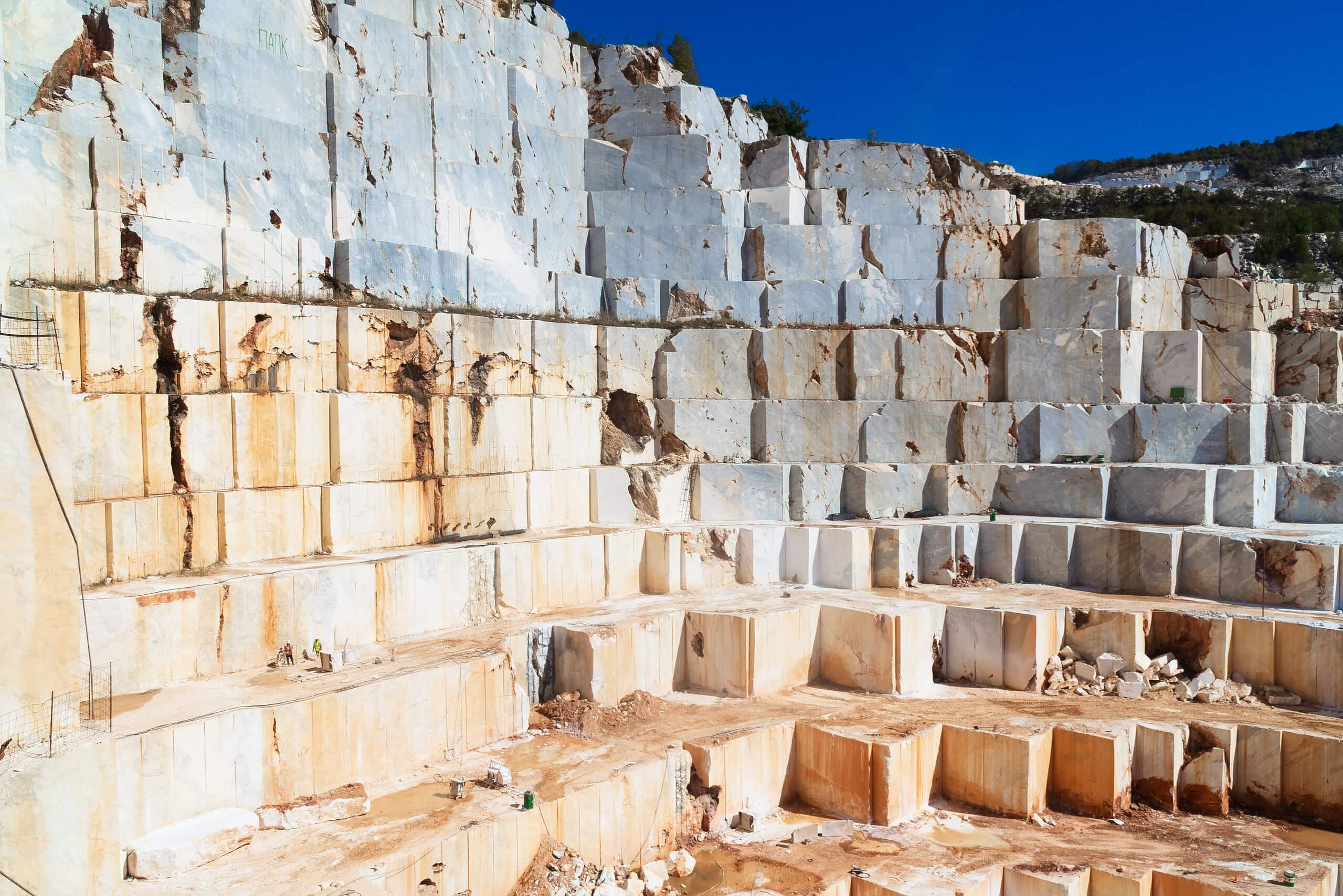
Marble is not mined in uniform sheets. A quarry is worked in decks, horizontal steps cut into the mountain, and diamond wire frees sections that are split into blocks. A standard block runs roughly 3 meters long by 2 meters high by up to 2 meters thick and weighs 15 to 30 tons. But this is heavily dependent on the specific quarry and its operation. Each block is sawn into 2 cm or 3 cm slabs, giving 50 to 90 slabs depending on size and thickness.
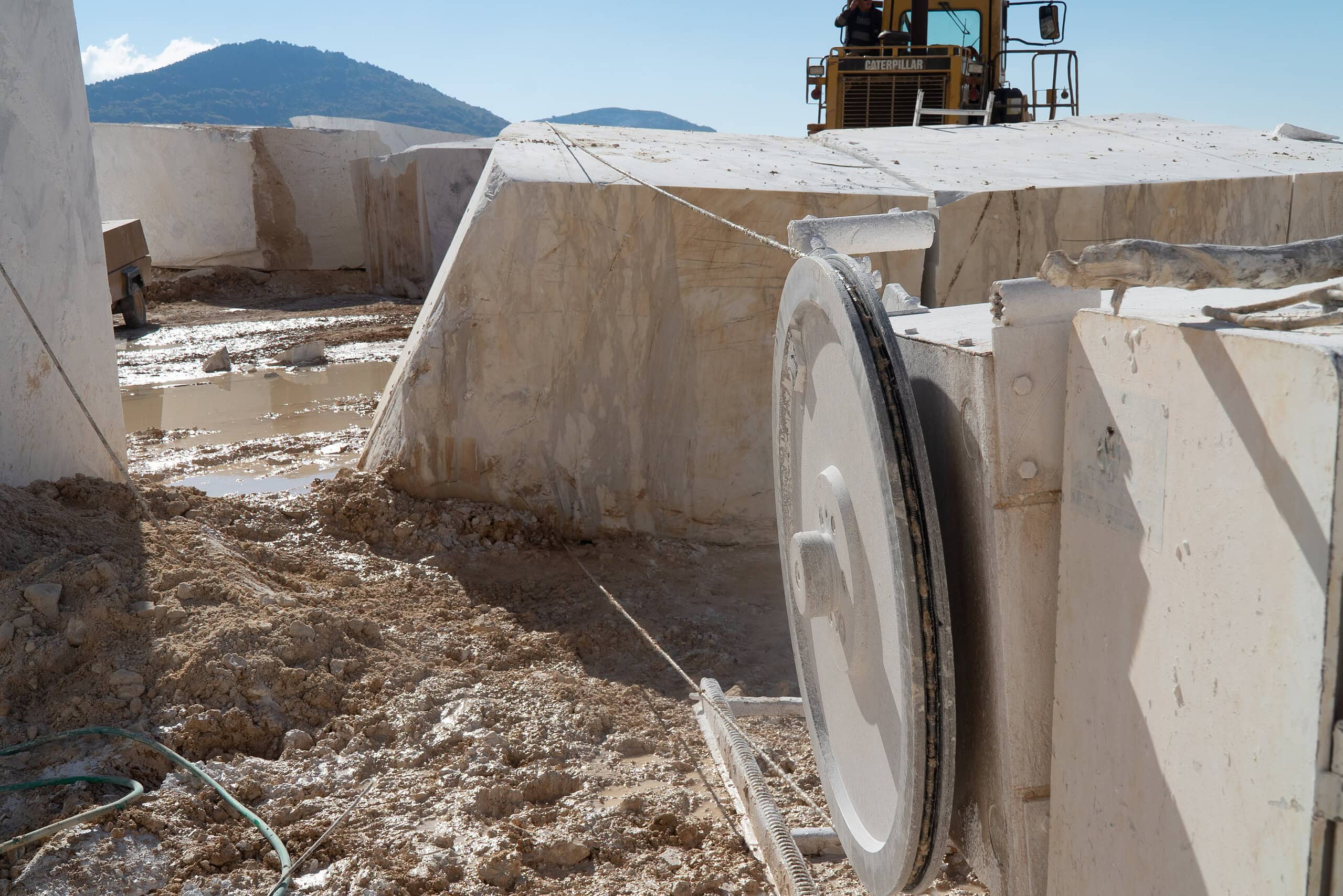
Every block is a different piece of the mountain. Veining, background color, density, and soundness change from deck to deck and block to block, sometimes within a few meters. One Calacatta quarry produces a range from exceptional to barely sellable, all legitimately carrying the same name.
Quarries sort output into grades, usually first choice, second choice, and commercial, and the criteria vary from quarry to quarry. The spread in value is large. Italian block traders list white Carrara blocks at roughly 500 to 1,500 euros per ton and Calacatta and Statuario blocks at 2,000 to 10,000 euros per ton, with price set by the purity of the white and the quality of the veins. The top of that range is a small fraction of production and is typically reserved or kept aside for the best clients or quarry partners.
What block selection means in practice
Block selection means choosing the raw block at the quarry, before it is cut, instead of choosing finished slabs off a rack. A block is judged on its exposed faces and test cuts. What we look for changes from quarry to quarry as each mountain is unique in its characteristics and minerals, but typically it’s as follows:
- Background movement. Each material is different, but an experienced block selector can have an idea on which blocks will yield the best movement
- Vein structure and minerals. Different sections of the quarry and cuts will produce different minerals. Having a geological understanding of this will inform which blocks are safer to cut or even best for specific use cases.
- Soundness. Fissures, soft zones, and inclusions that will need resin or mesh. A sound block polishes evenly and holds an edge.
- Consistency through the block. Consistency throughout a material allows it to be used in larger areas and gives the end user more options
- Yield. How much usable material remains once flawed zones are cut away.
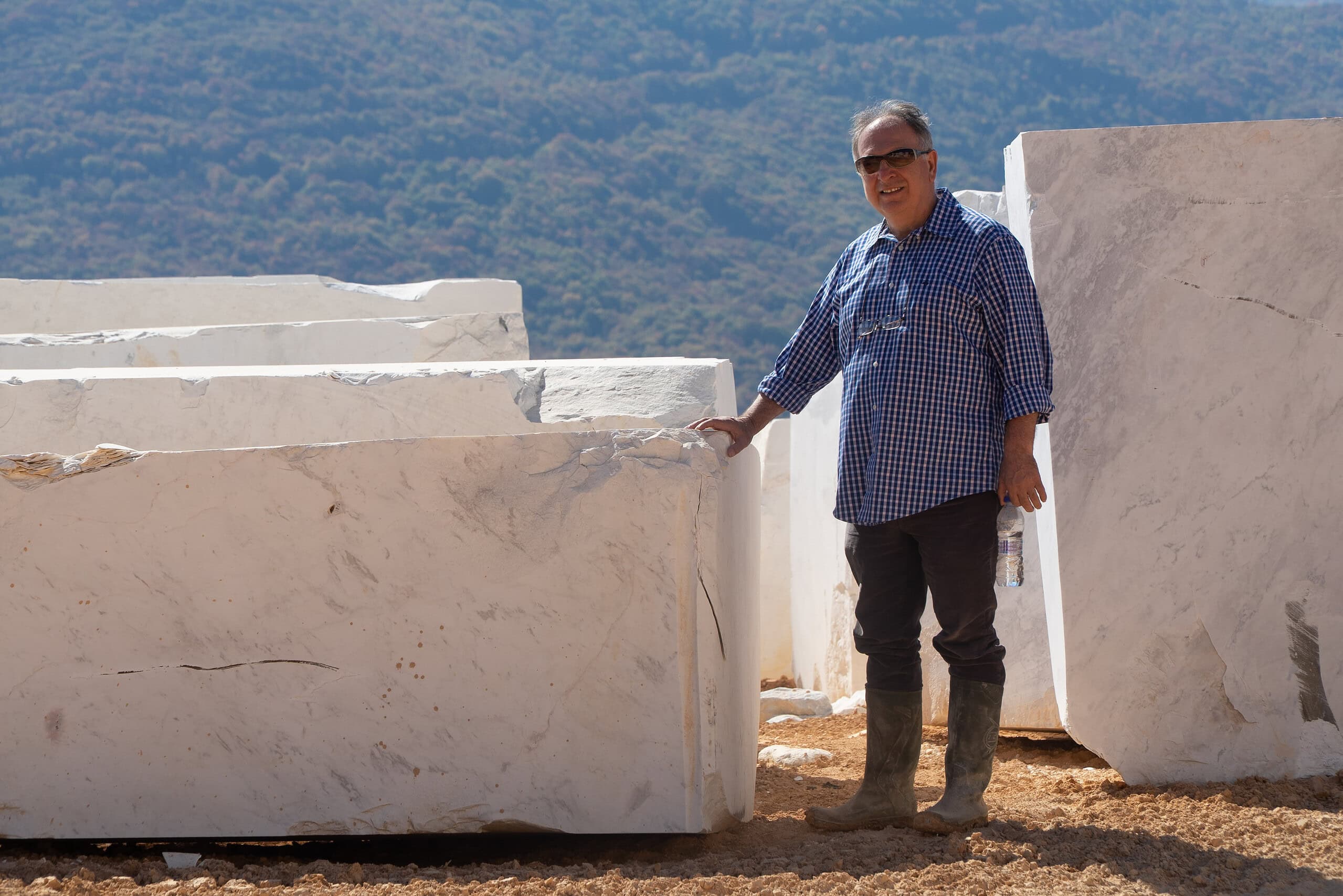
A supplier that has only a handful of slabs (such as two to three bundles out of the typical five to six) worth of one selection without ever having purchased all the sister slabs that came from the same block is almost a guarantee that the supplier never purchased the material directly from the quarry. A quarry will never sell a handful of their best slabs to a single buyer with few exceptions. Slabs chosen off a rack were cut, graded, and sold once or twice down the chain, after the best blocks had already left the quarry.
Why most suppliers can’t offer it
Most stone sold in the United States passes through several hands: quarry, block trader/slab processor, importer/regional distributor, then fabricator or showroom. Each step keeps the best of what it has and passes the rest down.
A fabricator or showroom at the end of that chain had no say in which block was cut. It buys containers of finished slabs, sometimes from mixed blocks, graded by someone else. It can tell you the name. It cannot tell you what else was in the quarry that day.
Block-level selection requires three things that most suppliers do not have:
- Access to the quarry. Most of the quarries, specifically the ones for high end material, are closed off from the public. Only those that are major purchasers, other quarry owners/traders, or those who have built longstanding relationships are allowed in.
- Priority on first choice. The best blocks go to whoever has standing with the quarry. New buyers and intermediaries take what is left.
- Enough volume to buy whole blocks. Choosing a block means committing to all 50 to 90 slabs in it. Small buyers cannot do that, so they buy partial lots that have already been picked over. Even committing to 30 or 40 slabs is not considered enough.
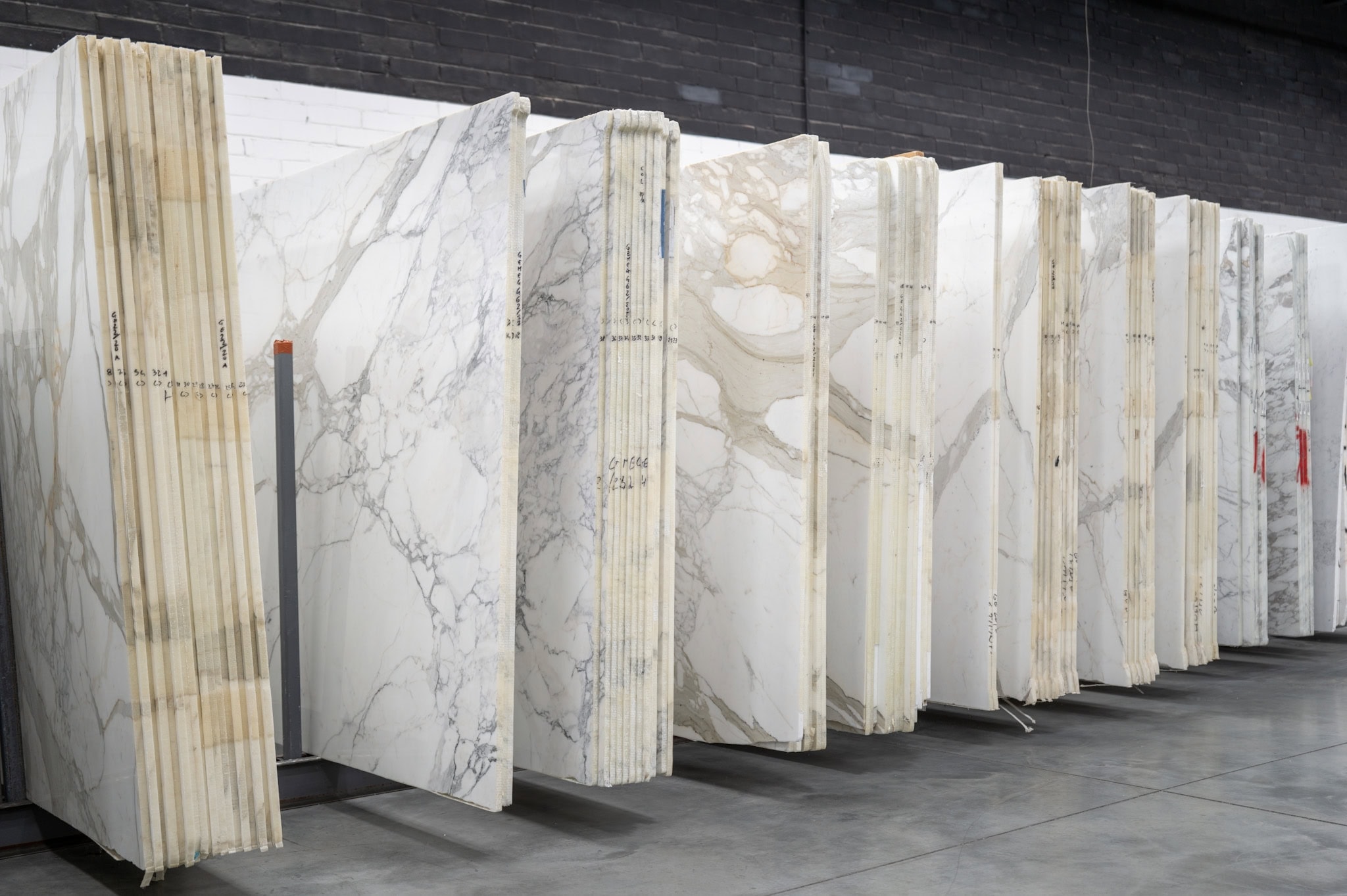
Mega Marble has ownership in the quarries we source from in Greece. In Carrara, we work directly with the families who own the quarries, as fellow quarry owners. In both countries that means we are at the face when blocks come out, we take first choice before material goes to the open market, and we buy and process whole blocks. The slabs in our Atlanta showroom are the direct result of that selection, not what was left after it.
The name is where the conversation starts
Calacatta Gold, Statuario, Volakas, Thassos. These names tell you the geography. They do not tell you whether the slab in front of you comes from the family with the best material or the leftovers of another. Only the block does.
Mega Marble selects every block we sell at the quarry, in Carrara and in Greece, before it is cut. Our Atlanta showroom holds the result. If you are specifying stone for a residential or hospitality project, visit the showroom or view current inventory.

